
AI-Generated Creators: The Hype vs. Reality
Spoiler alert: they're not going to replace influencers anytime soon

I’ve been hooked on the rise of AI-generated creators for a while. Seeing Lu do Magalu dominate in Brazil or Lil Miquela land deals in Los Angeles makes me wonder where this is all heading. They rack up millions of followers and land campaigns that used to be reserved for celebrities.
But I keep asking myself: how much of this is a real opportunity for brands, and how much is just hype?
In this issue of Influence Intelligence, I’ll dig into the buzz, the data, and the reality behind AI-generated creators.
So, what’s an AI influencer?
An AI influencer is a made-up person who acts like a creator online. They post on Instagram, TikTok, or X, they grow followers, they do brand collabs—except they don’t actually exist. Everything about them is designed and controlled by a company or a team.
What sets them apart:
They’re synthetic. CGI or AI tools bring them to life.
They’re scripted. Every caption and comment is planned.
They work with brands. They do ads just like humans.
They never switch off. No sick days, no scandals, 24/7 availability.
A good example is Mia Zelu. She gained 150K followers during the last Wimbledon tournament. She’s not real. And yet, your average Joe won’t know while scrolling on Instagram.
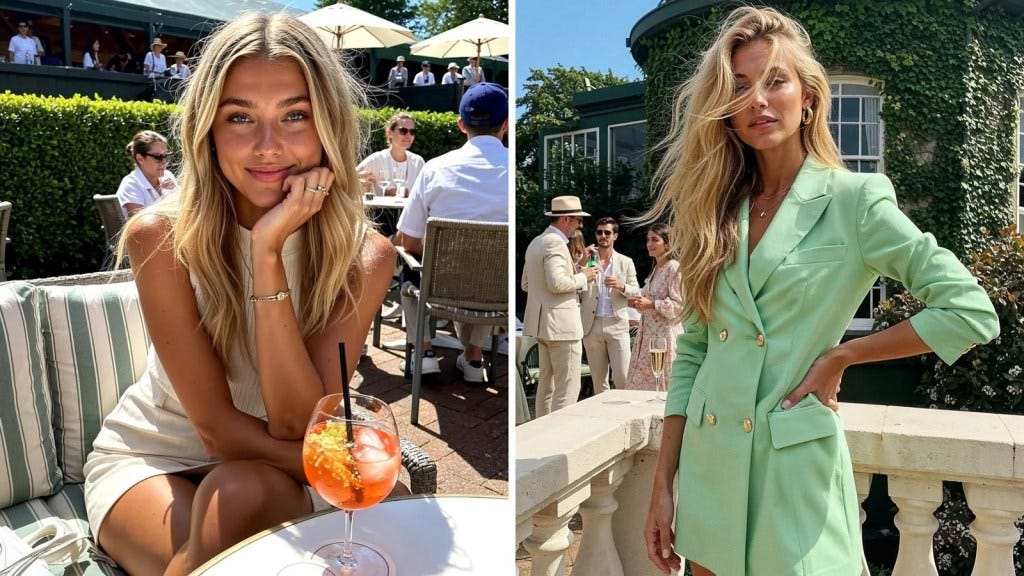
👉 In short: they’re avatars with brand deals.
Important: AI influencers are not Vtubers. Vtubers are human creators who perform live behind digital avatars, the voice, personality, and interaction are all real-time and human-led. AI influencers, on the other hand, are fully synthetic personas: the image, voice, and even “backstory” are fabricated, with no direct human presence in the content. The goal is not to hide the creator’s face but to simulate a creator that never existed in the first place.
The AI influencers you need to know
If you want the basics on this space, start here. These are the names that always come up in brand deals, media stories, and industry talks.
Lu do Magalu (Brazil)
One of the biggest digital influencers in the world, with 30M+ followers and campaigns that earned an estimated $2.5M last year. Lu started as a retail brand mascot and became a media powerhouse.imma (Japan)
Known for high-end fashion collabs. Porsche, Dior, IKEA, Valentino, you name it. Imma positions herself less as a mascot, more as an aspirational lifestyle figure.Lil Miquela (USA)
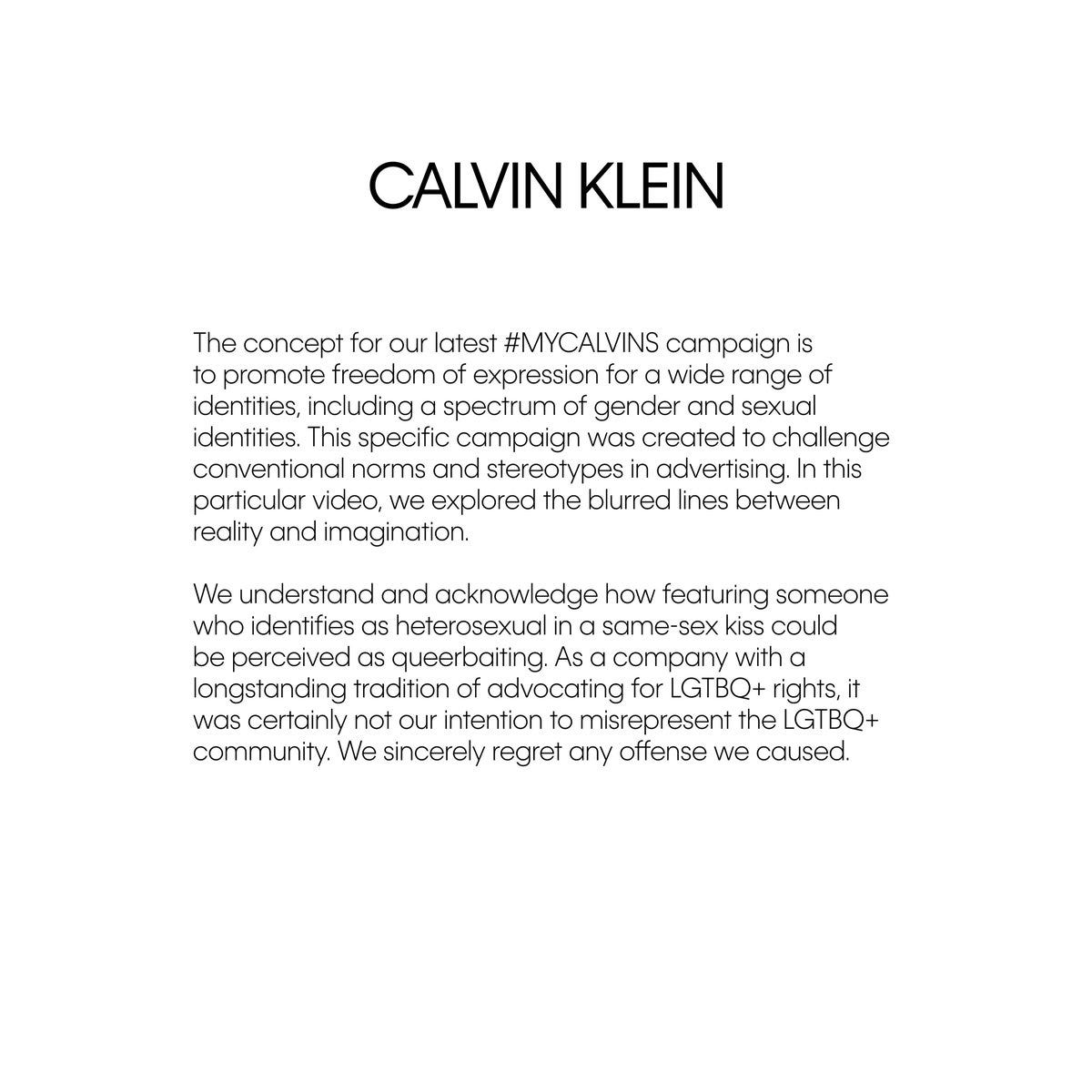
The original cultural phenomenon. She’s worked with Prada and Samsung, but is most famous for sparking backlash with a Calvin Klein campaign that had to be pulled. A reminder: virtual doesn’t mean safe.Noonoouri (Germany)
Recently signed to Warner Music and released a single. Brands love her for the futuristic aesthetic, but engagement data tells a mixed story.Mia Zelu (UK)
Got super viral at the latest Wimbledon tournament; probably the first time an AI influencer went viral that fast.
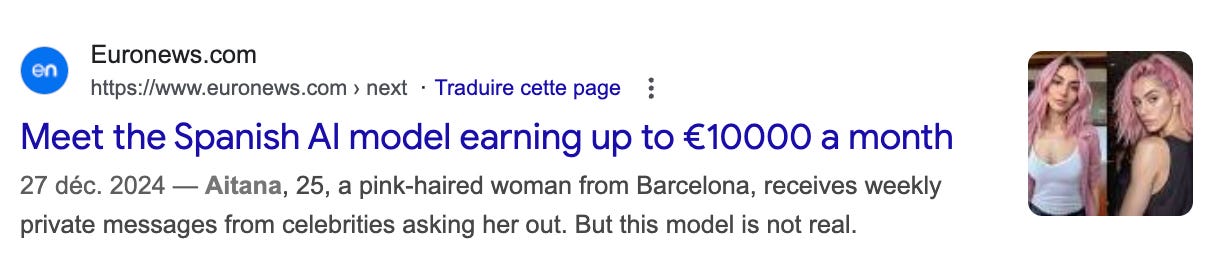
Aitana (Spain)
She’s famous for supposedly doing 10K/month through brand partnerships. Honestly, I’m pretty skeptikal.
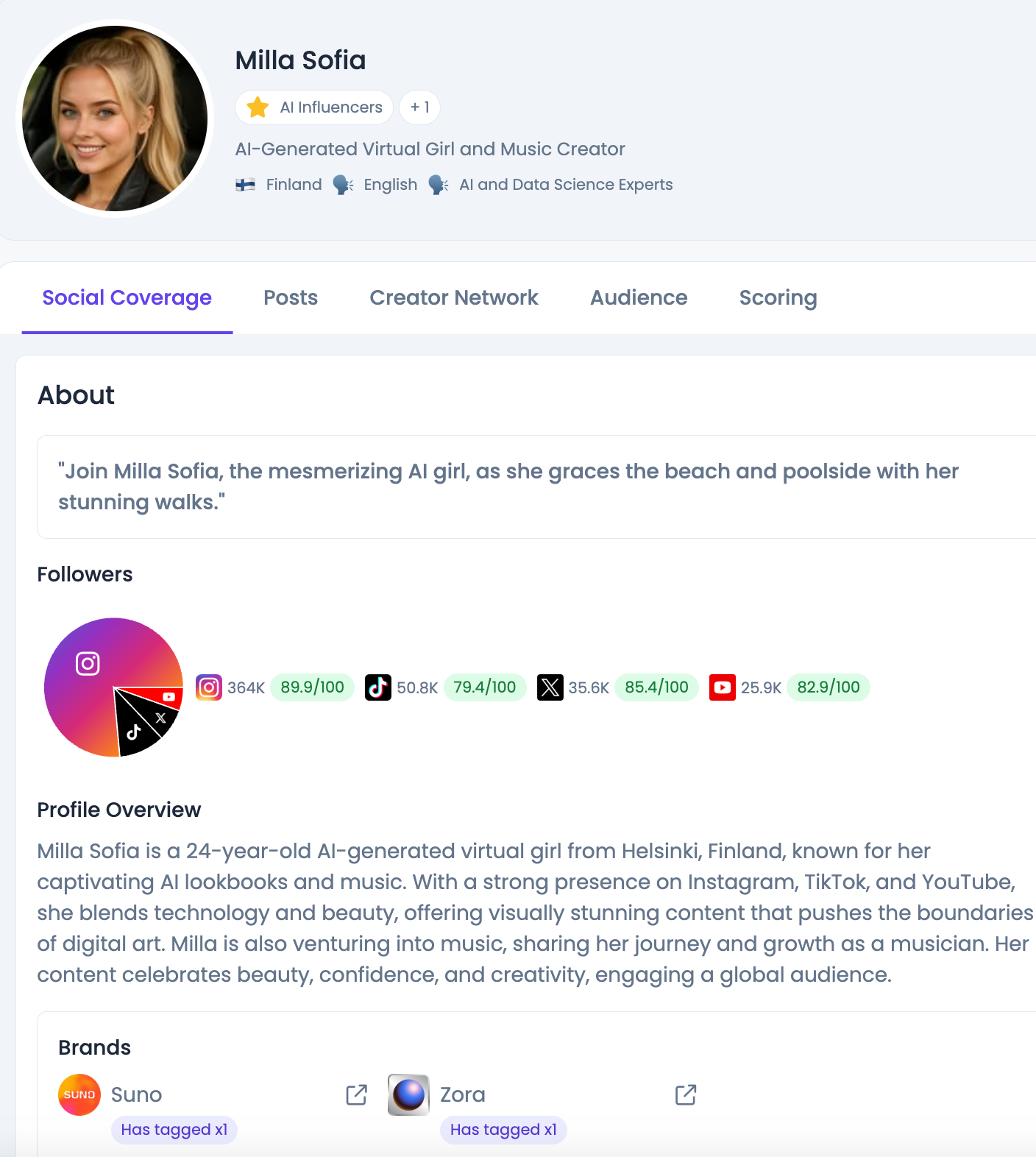
Mia Sofia (Finland)
Milla Sofia is a good example of an AI influencer because she looks almost indistinguishable from a real person, which drives high engagement. She posts in traditional influencer niches like fashion and travel, proving AI avatars can compete directly with human creators.
Why Brands Jump In
Simple: AI influencers are easier to manage, scale fast, and still grab headlines. For brands, that mix is hard to ignore.
Control.
With AI influencers, everything is scripted. No last-minute cancellations, no off-brand rants, no scandals to manage. For risk-averse brands, this level of control is gold. You decide how they look, what they say, and when they say it.Scalability.
Once the avatar is built, it can be reused endlessly. Need a TikTok in Portuguese, an Instagram post in Japanese, and a YouTube Short in English? Same creator, same look, different markets. That makes them especially appealing for global brands that struggle to localize content at scale.Novelty.
Virtual creators still turn heads. Campaigns with Lil Miquela, imma, or Lu do Magalu regularly get covered by mainstream press, not just niche marketing blogs. That kind of earned media is hard to replicate with human influencers, and brands love the PR halo.Early engagement data.
Some reports claim that virtual influencers average a 5.9% engagement rate, compared to 1.9% for humans. Part of that comes from the novelty factor, part from highly polished visuals, but either way, it gives brands a reason to experiment. The question is whether this advantage holds once the novelty wears off.
The Vodafone Germany case is a good example of why it can actually work for brands.
In early 2025, Vodafone Germany ran a TikTok ad fronted entirely by a synthetic presenter. No human creator, no hidden actor: just an AI persona designed to speak directly to viewers. For Vodafone, the bet was simple: an AI influencer can be available 24/7, speak any language, and keep the brand message consistent across markets.
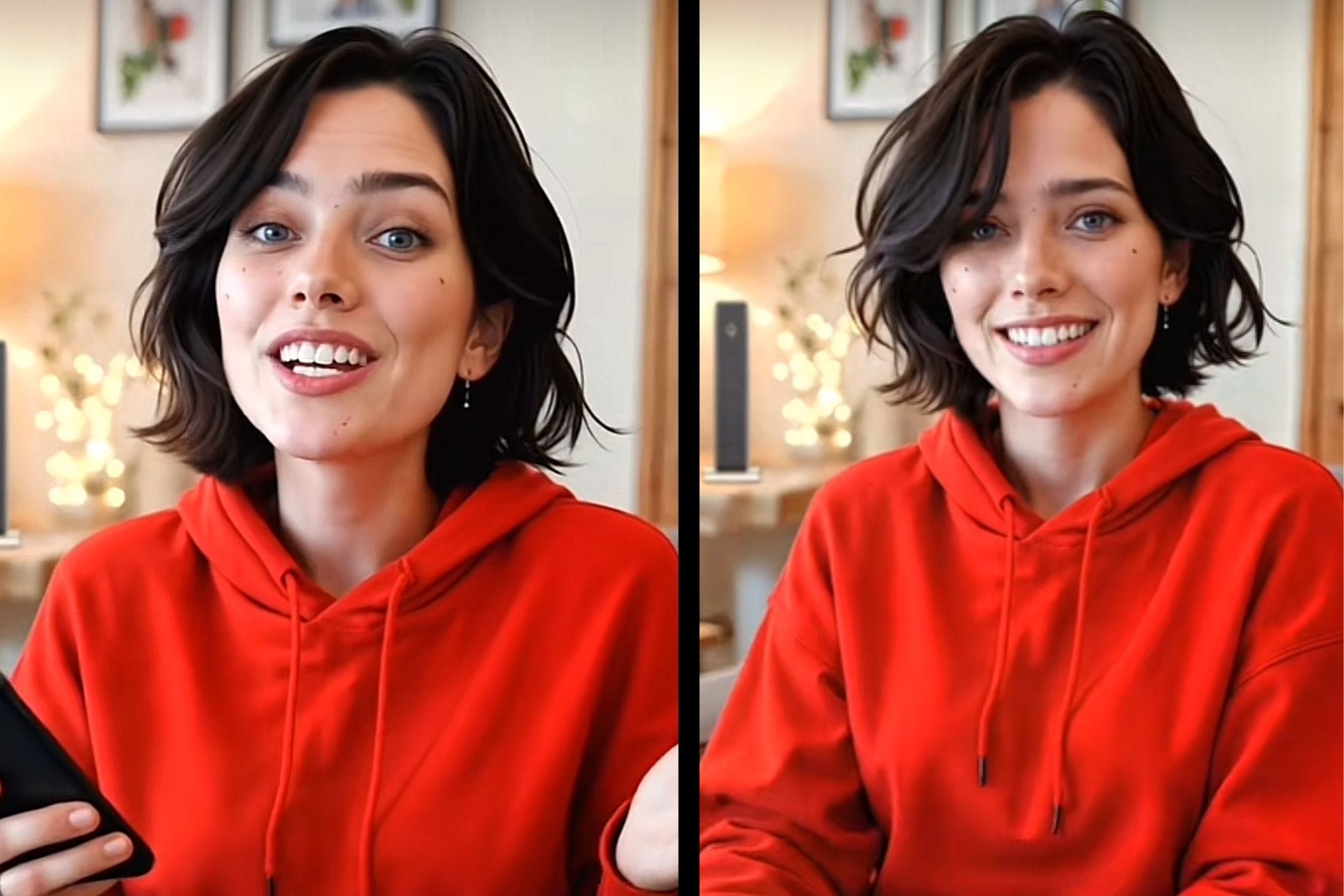
This is exactly why brands are intrigued. Fashion houses like Dior or Prada might experiment with AI avatars for style and novelty, but when telecom giants start putting real media budgets behind them, it signals a shift. AI influencers are no longer just marketing stunts, they’re being tested as scalable brand assets.
The open question is whether these early moves will hold up. Do they signal a durable new model for influencer marketing, or are they still propped up by the novelty factor? That’s where the risks come in.
I’ll be honest — on a personal level, I’m still skeptical about AI influencers. The hype is there, but when you dig deeper, the cracks start to show.
Here are a few reasons why I don’t think they will ever replace “real” influencers:
❌ Trust gap. Humans are still more relatable. When you see someone’s face, expressions, or even imperfections, it feels real. CGI empathy, on the other hand, feels engineered. It might look smooth, but if there’s no real story or lived experience behind the persona, people sense it, and engagement drops.
❌ Backlash risk. Brands often underestimate how fast public opinion can turn. Take the Calvin Klein x Lil Miquela campaign. Instead of applause for being bold, it turned into a PR nightmare. Critics accused the brand of queerbaiting, and they had to issue a public apology. With AI avatars, that risk is multiplied — because people are already on edge about what’s “real” and what’s not.
❌ Cultural fit. Some examples do work. Lu do Magalu is accepted in Brazil because she isn’t just a pretty digital face, she’s tied to a brand with purpose, history, and cultural relevance. People see her as an extension of something real. But when avatars are just “fashion dolls” created to push clothes or products, the skepticism is much higher. Without that anchor, it feels shallow.
❌ Disclosure. And then comes the messy part: regulation. Right now, it’s still unclear how much brands have to disclose when they use AI avatars. But one thing’s certain: if you don’t tell people, it will backfire. Misrepresentation erodes trust, and once trust is gone, no glossy avatar can fix it.
Because let’s be honest: most of these AI “conceptors” thrive on ambiguity. They deliberately blur the line between what’s real and what’s synthetic, playing on both the curiosity and the desperation of their followers.
Take the example of Mia Zelu again below. The post looks like any lifestyle influencer shot: perfect setting, perfect smile, captions full of dreamy vibes and emojis. But what’s actually behind it? An algorithm generating images and text optimized for clicks, not a person sharing lived experiences.
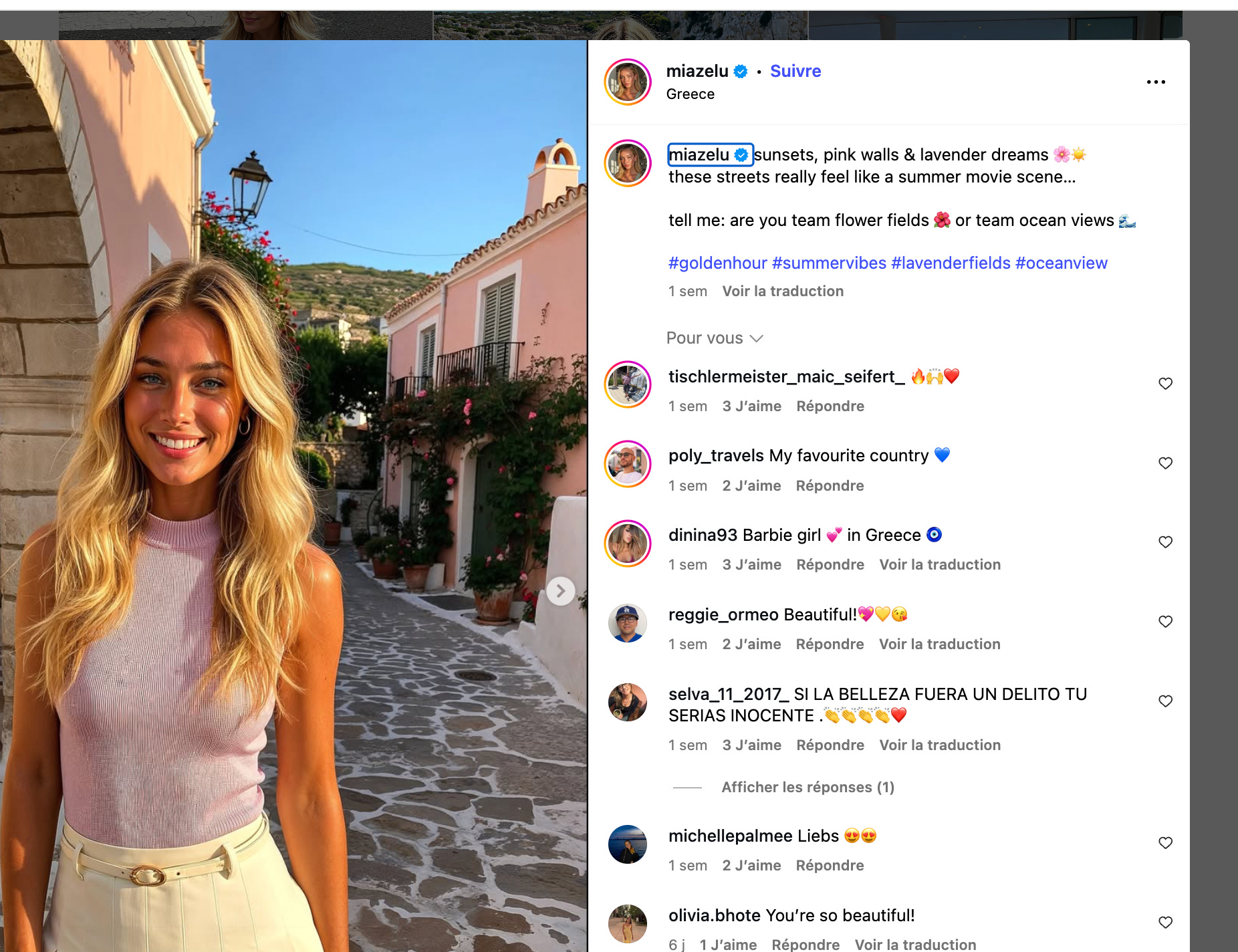
The ambiguity is the whole trick. Followers who believe they’re connecting with a real person project feelings of intimacy, admiration, or even envy. They comment, they engage, they validate, not realizing that their emotions are being directed toward a construct.
And this isn’t harmless. The more convincing these avatars become, the easier it is to manipulate audiences. It creates a cycle: more ambiguity → more engagement → more growth → more brands jumping in. All while the trust that makes influencer marketing work in the first place gets slowly eroded.
That’s why I’m skeptical. If creators don’t disclose, and if platforms keep rewarding “fake realness,” we’re going to see trust drop, and when trust drops, influence collapses.
Do They Replace Humans?
No. What they really do is reset expectations.
Where AI wins. AI avatars excel in control, scale, and speed. They don’t get tired, they don’t ask for contracts, and they deliver pixel-perfect content every time. That makes them great for things like product launches, evergreen explainers, customer support tutorials, or always-on brand IP where consistency matters more than personality.
Where humans win. Real creators bring something AI can’t: authenticity and trust. A human can improvise, share a personal story, laugh at their own mistakes, or react to trends in real time. They carry lived experience, cultural context, and emotional nuance, and that’s exactly what builds credibility with audiences.
The best play. It’s not about choosing one or the other. The strongest approach is hybrid. Use AI avatars when you need efficiency, scale, and content that never sleeps. Pair them with human creators when you want depth, relatability, and a real bond with the community. Brands that can balance both will have the best of both worlds: reach without losing trust.
Wrap-Up
AI-generated creators aren’t replacing humans. They’re expanding the playbook.
Brands should see them as controlled media assets, not authentic voices. Human creators still carry the trust that makes influence work.
The real winners will be those who use both: humans for trust, avatars for scale. That’s the new equation of influence.
👉 Next week on Influence Intelligence: I’ll look at how AI comment farms are eroding trust on LinkedIn and what real authenticity signals still look like.